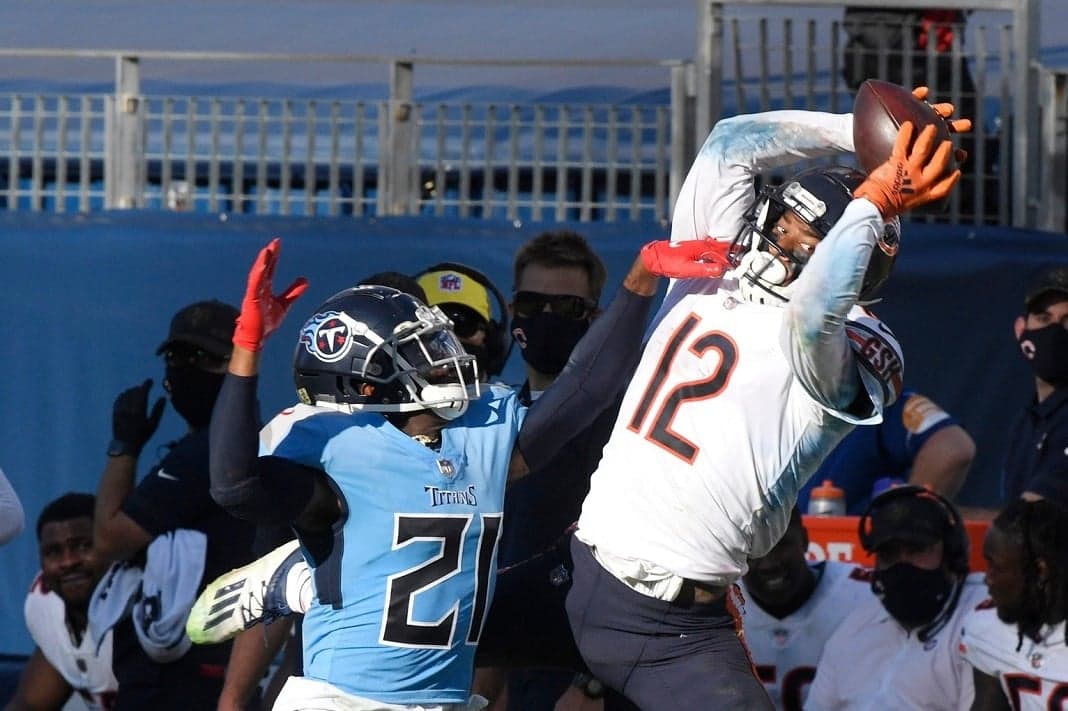
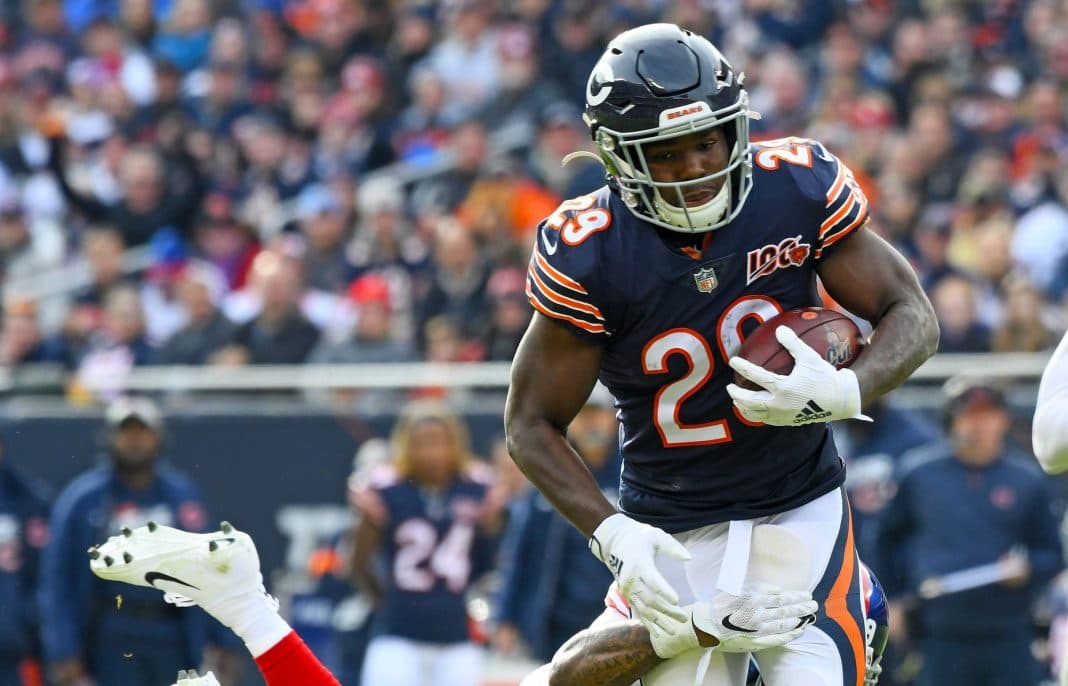
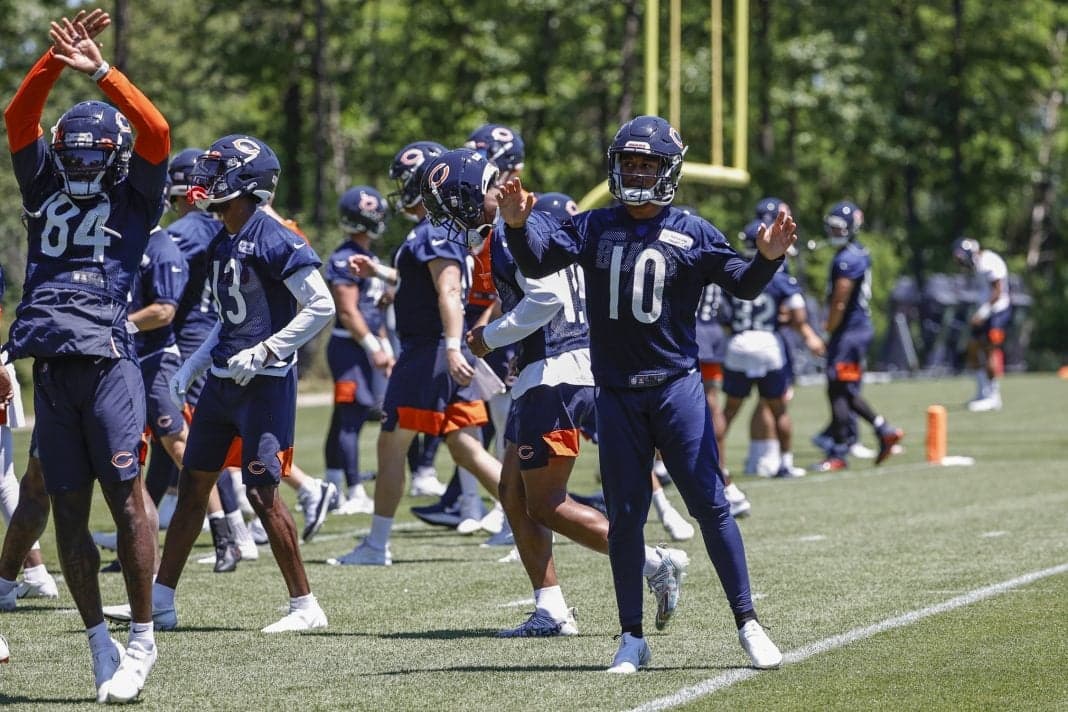

With just five days left to go, it appears the Chicago Bears and Allen Robinson have no plans to change their stances on a contract extension. The 27-year old wide receiver has a certain value in mind. Nobody knows what that is but the assumptions are it is at least $20 million per year. Considering the rumors from a few months ago suggest the Bears were hoping to secure him for around $16-17 million? It isn't too difficult to understand why no deal is imminent.
In fact, this standoff may go back even further than people think. Insider Adam Caplan alluded to this when reports surfaced that an extension was "unlikely" via Tom Pelissero of NFL Network. He claims the money issue actually surfaced long before the buzz really began during last season. Perhaps as far back as the beginning of 2019. Remember Robinson finished the 2018 season with a flourish, going for 143 yards and a touchdown in the playoff loss to Philadelphia.
One can imagine the Bears were ready to entertain extension talks even then.
However, as things began to unfold and Robinson kept playing well, it no doubt became clear that he expected a significant pay raise from what he signed for as a free agent three years ago. While the Bears still have great value for his ability, it isn't enough in their minds to make him one of the four or five highest-paid receivers in the NFL. Why though? Why would the Bears take this stance despite knowing Robinson is easily their best offensive weapon? There are a number of factors that likely play a part in the decision.
Allen Robinson extension fallout stems from three primary issues
#1: Positional value
In order to understand this entire thing, one must look to the man in charge. GM Ryan Pace has made it abundantly clear since he arrived that he has no fear of letting productive receivers go, whether it's due to money or other reasons. He traded Brandon Marshall in 2015. He let Alshon Jeffery walk in 2017. Now he is poised to do the same with Robinson. Why? The belief that he can replace the production lost given how rich the receiver position tends to be every offseason in both free agency and the draft. Pace puts greater emphasis on the quarterback position and the offensive line. Good receivers can be replaced. [video width="1280" height="720" mp4="https://www.sportsmockery.com/wp-content/uploads/2019/08/Every-Allen-Robinson-catch-from-Bears-playoff-debut-NFC-Wild-Card-Weekend.mp4"][/video]#2: Other looming contracts
As of right now, the Bears are projected to have $36 million in cap space next offseason. That may sound like a lot, but it's really not considering they have 50 pending free agents next year. Some of them are pretty important to their future. Defensive lineman Bilal Nichols is one such example, as is guard James Daniels. Akiem Hicks is also coming out of contract. This doesn't include Roquan Smith who is due an extension of his own. Chicago only has so much money to throw around. Nichols and Daniels seem to hold more value as trench guys while Smith is four years younger than Allen Robinson.#3: Age
Like it or not, this is always a huge factor in contract negotiations. The younger a good player is, the more likely it is he'll get a maximum-style extension. This is why the torn ACL Robinson suffered in 2017 was such brutal timing. That was his primary window for getting the most money possible. While the Bears paid him well with that three-year deal in 2018, it wasn't what he would've gotten had he stayed healthy the year before. The problem this time around is age. Robinson will turn 29-years old prior to the start of the 2022 season. Paying big money to players who are approaching 30 is always a dangerous proposition. See Robert Quinn. Other teams might be willing to chance it, but not the Bears.Comments
Join the discussion below. Keep it civil and focused on the content.


Loading comments...