A common flaw in failure is attempting to implement the next great thing rather than simply modifying instructions for something that's already been done. When reading everyone's opinion on the
Chicago Bears and the solutions they should implement it's clear most fans think they are pretty far away from a playoff birth. The fact of the matter is they've done this before, gone from worst to first that is, and if you look closely you'll see that the current Bears are following the same plan.
Back In 2004
Let's rewind back to 2004. Chicago suffered a brutal 5-11 season and finished dead last in the NFC North. It was Lovie Smith's first year as head coach and the Bears were coming off two straight third place finishes in the division in '03 and '02. Their leading quarterback coming out of the 2004 season was Chad Hutchinson and he had a whopping 903 yards for the year. Behind him was Craig Krenzel with 718 passing yards, Jonathan Quinn and second-year quarterback Rex Grossman who suffered an injury. The defense was also riddled with injuries. Brian Urlacher only started nine games, Charles Tillman seven and Mike Brown only two. Sound familiar?
If you're paying attention you'll notice the Bears had a shitty quarterback situation, a decent defense and decent special teams.
Now, what if I told you they went on to win 11 games, Lovie Smith won coach of the year and Chicago won the division for only the second time in 10 years the following season? Here's how they did it.
The 2005 NFL Draft
Everyone knows that the first step to fixing a team is in the draft. It was obvious Chicago had major offensive needs. The Bears had the fourth overall pick, again sound familiar, and they took running back Cedric Benson. In the second round they took wide receiver Mark Bradley and in the fourth they selected quarterback Kyle Orton. The Bears didn't have a third round pick but still decided to use their first four selections for the offensive side of the ball after taking wide receiver Airese Currie in the fifth. (we won't mention the Bears passing on Aaron Rodgers here, oh wait...we just did)
Similarities to 2016-17: Very high first round pick for the Bears. Presumed weak quarterback class. Offensive needs are high.
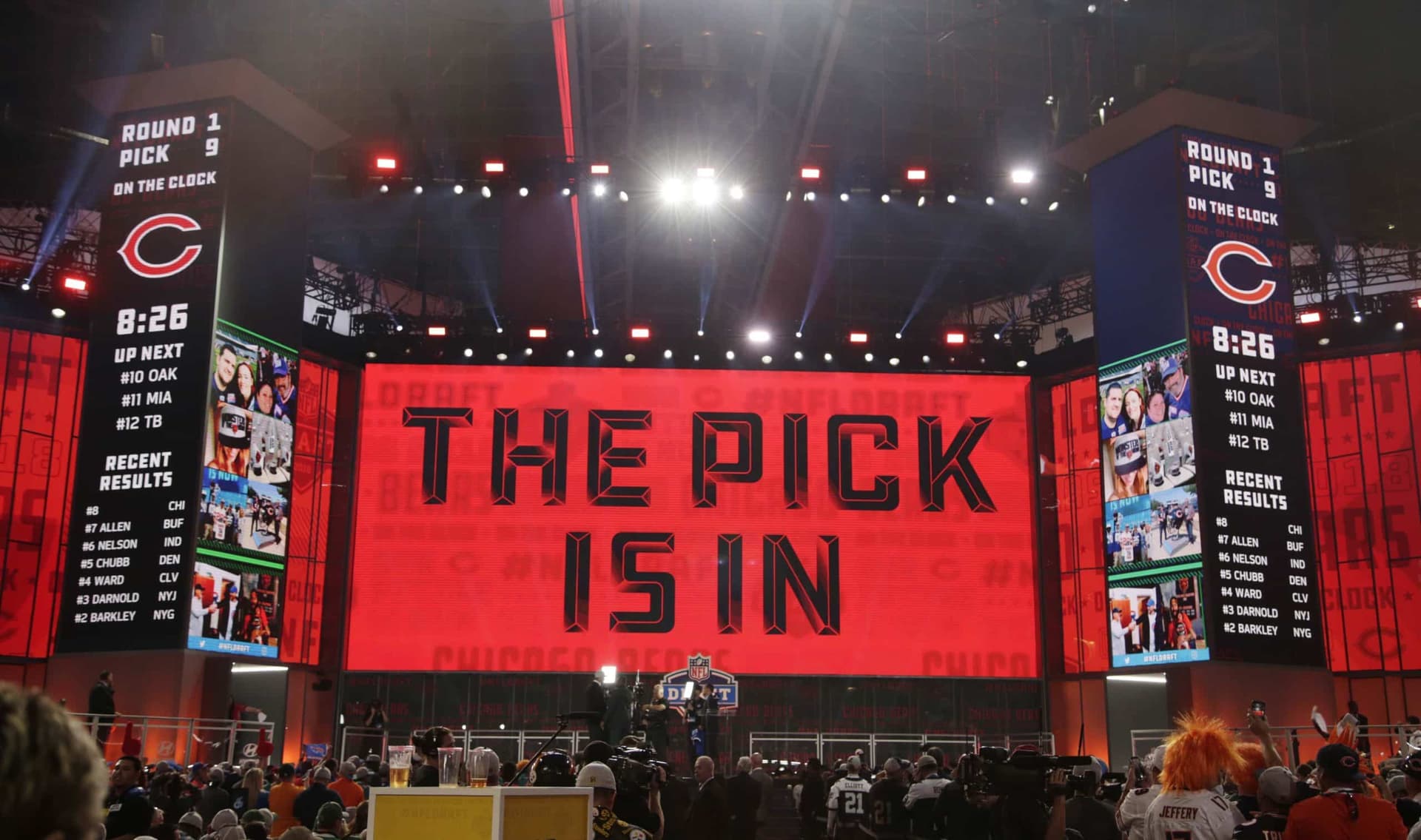
Notes: The Bears are selecting even higher at #3, in a weak quarterback draft and the offensive needs are high after finishing 30th in time of possession. The quarterback need is high and there's currently no real answer at wide receiver with
Alshon Jeffery's contract hanging in the balance.
Team Philosophy
One of the main reasons for success in 2005 was running the football and playing solid defense. The team's defense was built with two stud inside linebackers (Urlacher and Lance Briggs) that had play makers on the line (Alex Brown and Tommie Harris). They also had two defensive backs in Charles Tillman and Mike Brown, both of them should have been Pro Bowl players that season but only Brown received the honor. In addition to the defense, special teams was a big priority. The team went out and signed future-franchise kicking leader
Robbie Gould to replace Paul Edinger and he became the team's top scorer for the season.
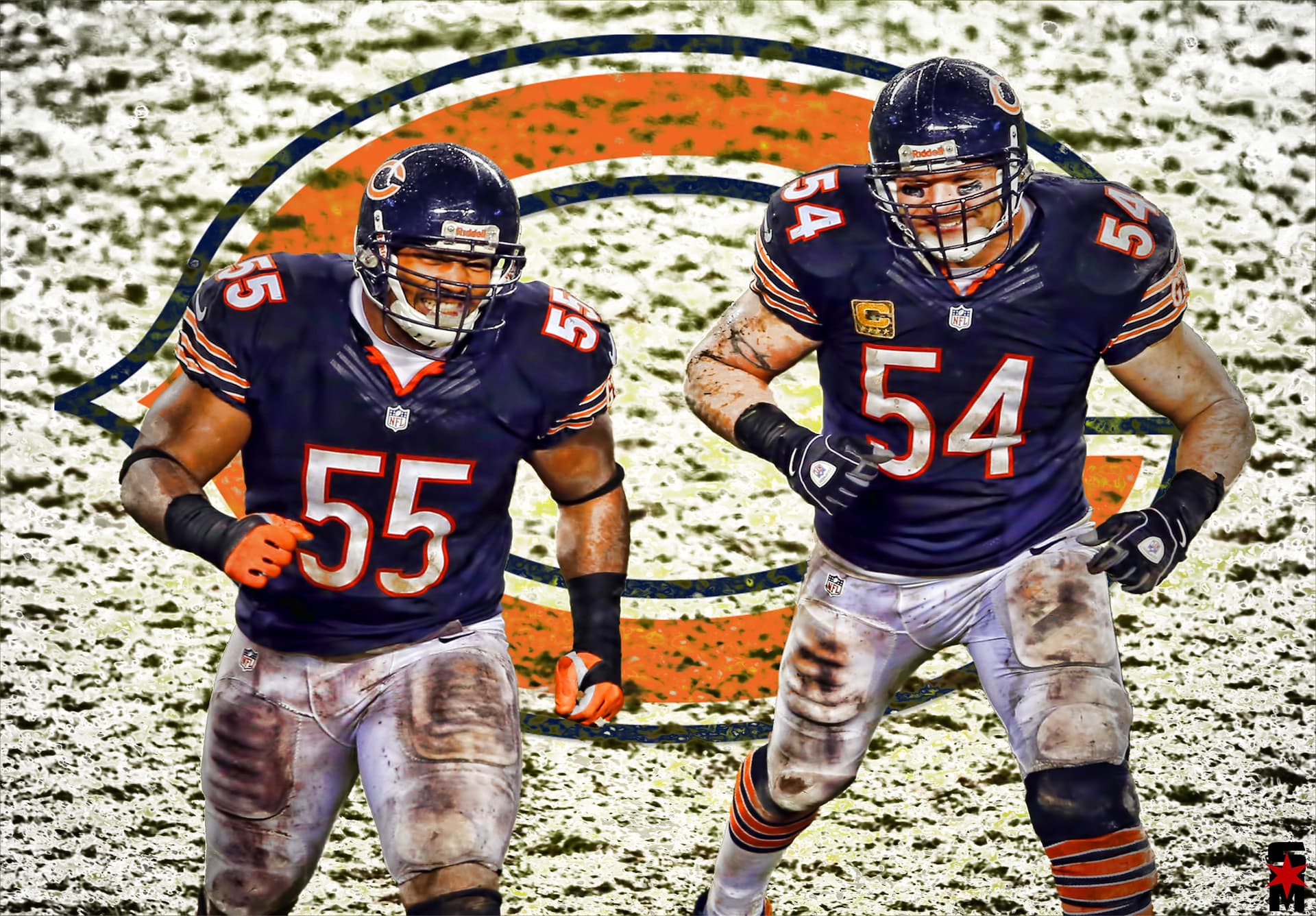
Similarities to 2016-17: Two stud inside linebackers, check. Playmakers on the defensive line, check. Two stud defensive backs? Very strong draft for that.
Notes: As you can see, the Bears have a defense that's incredibly similar to the 2005 version. The only thing truly lacking are the play-makers in the defensive backfield. If you're taking notes at home you probably realize that this defense, build similar to the 2005 version that went from worst to first, was constructed primarily by players acquired by Ryan Pace. Defensive back is one of the strongest positions in the 2017 NFL Draft, taking a safety at #3 overall to be the next Mike Brown is incredibly possible.
Now... the quarterback.
Rookie Quarterback Led The Way
So who led this masterful rise from fourth to first at the quarterback position for Chicago? Well, that answer would be rookie Kyle Orton. Grossman suffered an ankle injury in the preseason paving the way for Orton to finish 10-5 his rookie season. After getting selected in the fourth round, Orton threw for 1869 yards with a 51.6 completion percentage. He managed the games and took care of the football, in terms of a rookie quarterback, only throwing 13 interceptions. Orton wasn't spectacular by any means, but he got the job done relying on a strong running game led by Thomas Jones.
Similarities to 2016-17: Potential for young starting quarterback. Strong running game. Game manager that won. Winning quarterback taken in lower round.
Notes: Interestingly enough, did you know Orton finished 21-12 as a Bears starter? The current version of the Bears is built very similar to this.
Jordan Howard leads a strong running game that, if coupled with a decent quarterback, could wear down opposing defenses and open up several options in the passing game. This is similar to John Fox's style of football and keeps games closed allowing teams with the strongest defense to prevail more often than not.
Healthy Defense
As we already indicated, several top players missed games for the Bears back in 2004. Lance Briggs led the team in tackling followed by Michael Green and Todd Johnson (who the hell are they?). In 2005, when the defense was healthy, Urlacher and Briggs combined for 180 tackles, Charles Tillman had five interceptions, sixteen pass deflections and four forced fumbles while Mike Brown chipped in another three picks and over 60 tackles. They finished
second in total defense and set the tone for the team the entire season winning eight games where the offense failed to score at least 20 points.
Similarities to 2016-17: Danny Trevathan and
Jerrell Freeman are tackling machines, just like Urlacher and Briggs.
Akiem Hicks and
Eddie Goldman will eat up blocks allowing
Leonard Floyd and
Pernell McPhee to put pressure on the quarterback. The only thing missing are the play-making defensive backs. That is likely to be addressed in this year's draft and/or free agency. If the unit stays healthy, they will be a force to be reckoned with.
Notes: The addition of one, possibly two, impact defensive backs could put Chicago's defense over the top. A healthy Eddie Goldman and Danny Trevathan would change the landscape of the front seven and open up several possibilities for advanced blitzing schemes. Playing a full season, Freeman, Trevathan, Hicks and Goldman are all possible Pro Bowl players, the Bears had three on their defense in 2005.
Tying It All Together
When you look at the recent history of the Bears, which you can bet Pace is going to do, you'll notice two things. First, the last time Chicago went from worst to first they drafted two quarterbacks high (Grossman in '03 and Orton in '05), build a very strong defense and made special teams a top priority (the Bears signed Gould in '05 and drafted Devin Hester in '06). After doing this the Bears won the division three out of the next six seasons, appeared in the Super Bowl and produced a few Hall of Fame players. This was all after a 2004 season that witnessed Jonathan Quinn and Craig Krenzel lead the Bears.
The second thing you will notice in the recent history of the Bears is the
Jay Cutler trade. Rather than building through the draft and making the good parts of the team elite, the Bears opted to trade Kyle Orton and two first-round picks to acquire 'a proven quarterback.' Despite the fact that Cutler had never made the playoffs, the Bears packaged a deal for him as if he was the next Drew Brees. That all happened in 2009, Chicago has won the division once, finished second once and come in third or fourth SIX times since that deal. That's a huge factor fans need to consider when they are calling for the team to trade the house for Jimmy Garoppolo.
The point of the story is this .... back in 2005 the Bears were in an extremely similar situation. Rather than reaching on a low-graded quarterback (unfortunately being Aaron Rodgers), the Bears opted to take the best player on the board (Benson) and hold off until the earlier rounds to get a quarterback (Orton in the fourth). They focused on building a very strong defense and special teams (see the recent news of the Bears scouting the Idaho kicker?), while making the run game a top priority.
The result? An 11-5 season, and Chicago went from worst to first.
It's been done before people, and you can bet your ass Pace knows that.