One of the most puzzling things about Justin Fields during his 2022 season was how few passing attempts he had. It was genuinely odd. The average number of passing shots per game for last year was 33.3. Fields averaged 21.2, which was actually down from the 27 per game he averaged as a rookie. People tried to understand why he refused to pull the trigger. Many blamed him for an unwillingness to throw the ball into tighter windows. He'd hold it too long and more often chose to scramble rather than throw it. Others blame the mixture of poor pass protection and a subpar cast of wide receivers.
The truth is both sides have a point. Fields did hold the ball a lot, and his supporting cast made matters worse. However, it's led to a misconception that the quarterback is nothing but a running back taking snaps. In reality, we already have substantial evidence proving Fields can handle heavy workloads of passing the ball. Look at his numbers from his two years at Ohio State
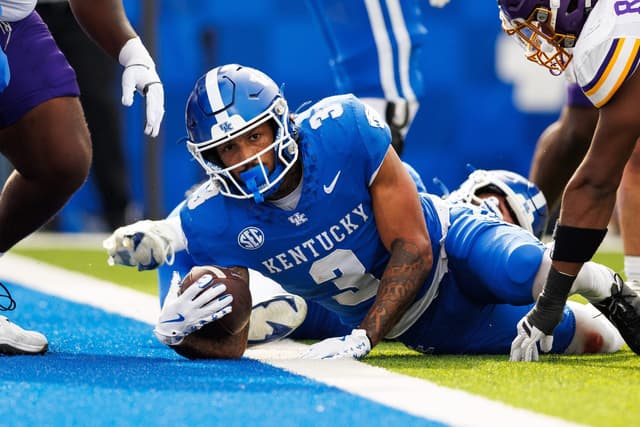
- 325 passing attempts in 2019 (in 14 games)
- 429 passing attempts if averaged out to 17 games
- 225 passing attempts in 2020 (in 8 games)
- 478 passing attempts if averaged out to 17 games
So in his second year running the same offense, he averaged 28.11 pass attempts per start. While that is slightly lower than the league average, it is compensated by the obvious handful of positive runs he'd get every week.
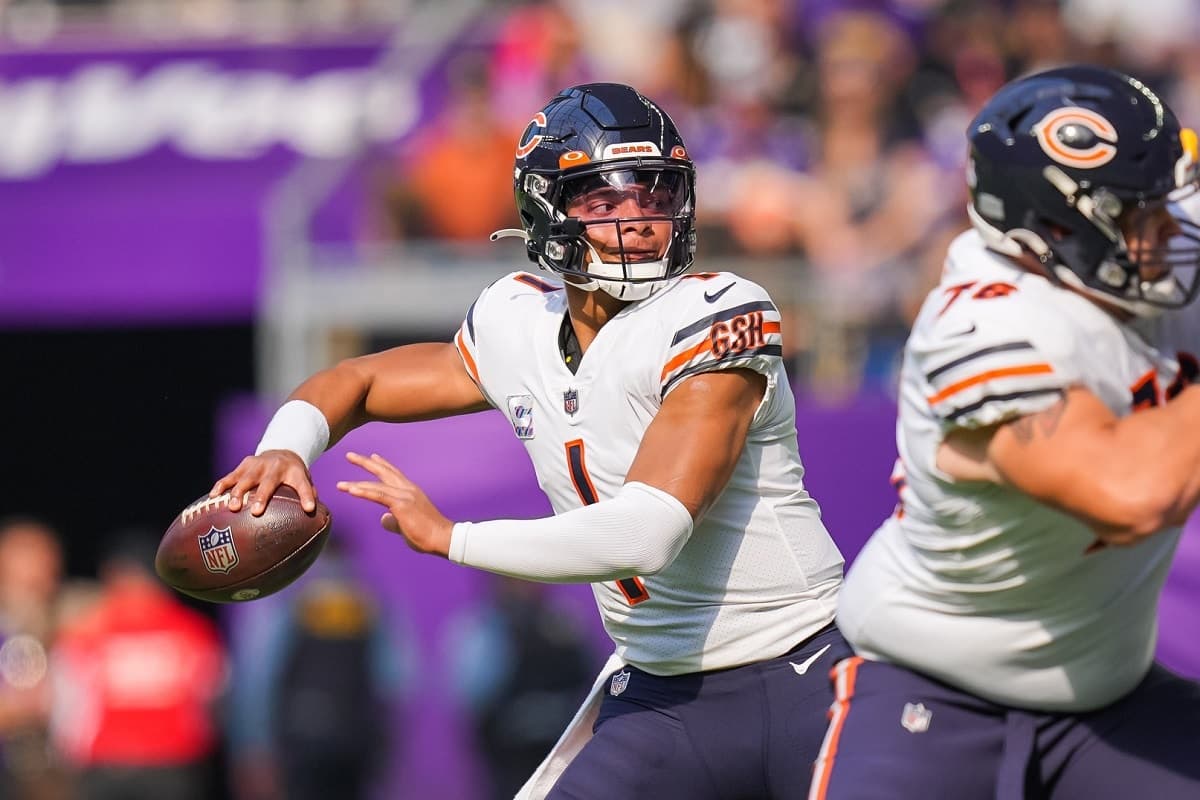
Justin Fields played one of his best games when allowed to throw.
His career high to this point was 39 passes against the Minnesota Vikings in 2021. He had 285 yards and a touchdown in that game. He also had seven runs for 37 yards. Unfortunately, the Bears only scored nine points thanks to three turnovers and nine penalties. It was never about if Fields could throw regularly. He can. It's about having a stable enough environment to do so. Look at it this way. He averaged 10 rushing attempts per game last season. All he has to do is drop that down to six, turning the other four into passes. If he'd done that last year, he would've had 378 passing attempts. At 11.7 yards per completion, he would've finished with 4,422 passing yards.
It would not have been that high, but it's a reasonable assumption he would've gone well over 3,000 yards. The goal for Justin Fields isn't as daunting as people make it out to be. Just tilt the ratio from 21 pass/10 run to 25 pass/6 run. That should lead to a significant boost in passing yards without sacrificing his obvious threat as a runner. Better still, he has the supporting cast to make that possible with new arrivals like D.J. Moore and Robert Tonyan. It will also be his second season in Luke Getsy's offense. That increased comfort level will help even more.
Comments
Join the discussion below. Keep it civil and focused on the content.


Loading comments...